 EN
EN fr
fr ha
ha nl
nl ru
ru hi
hi be
be he
he ar
ar az
az af
af vi
vi ja
ja th
th tr
tr de
de pt
pt es
es it
it sq
sq ko
ko tg
tg ky
ky rw
rw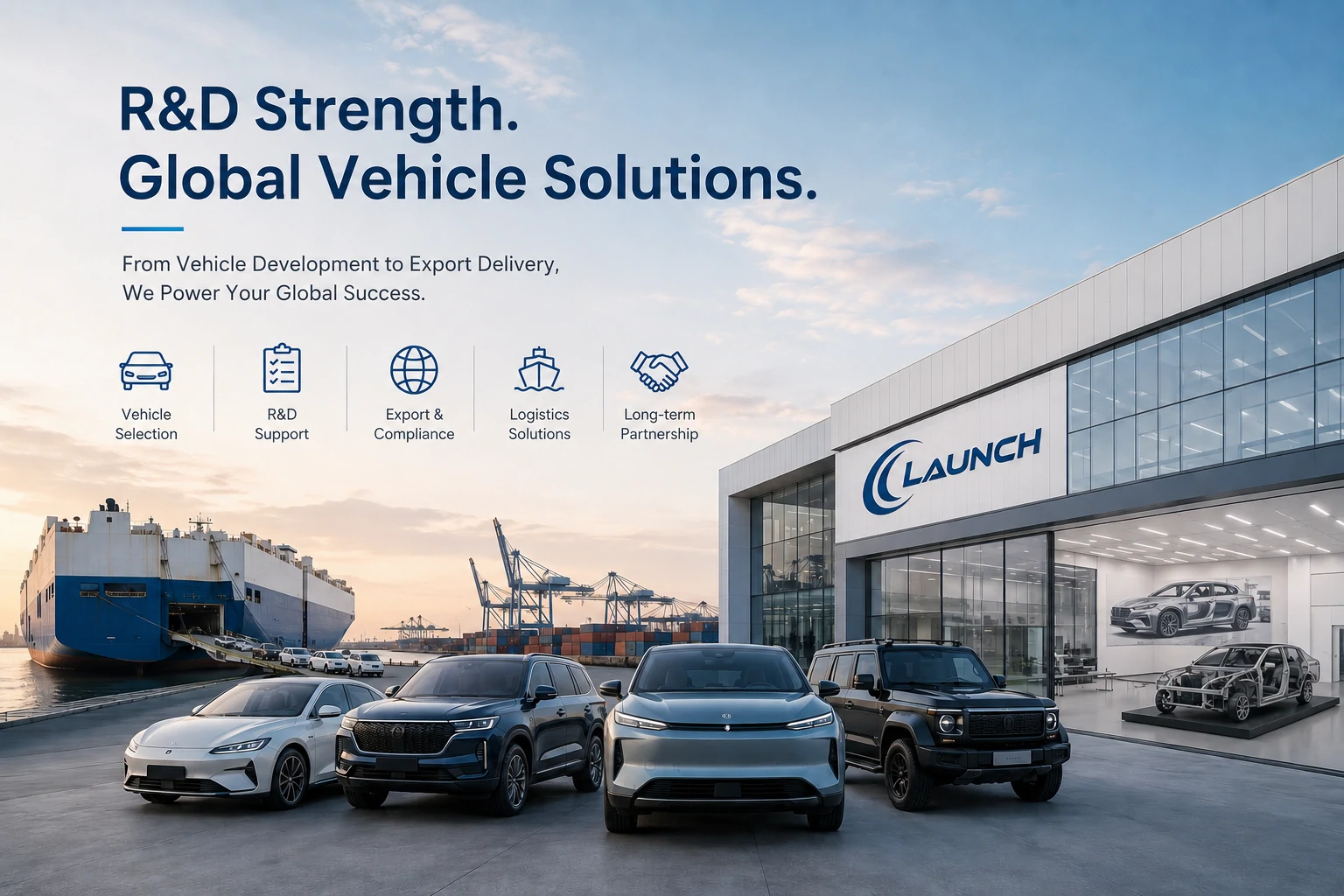
Launch Design: How Automotive R&D Strength Supports Global Vehicle Sourcing
For global dealers, fleet buyers, and importers, choosing a Chinese vehicle supplier is no longer only a price decision. Buyers need confidence in vehicle selection, technical support, export documentation, logistics, and long-term market fit. Launch Design gives this conversation a stronger foundation because it connects automotive R&D capability with practical vehicle export and supply chain execution.
Hunan Launch Automotive Technology Co., Ltd. serves international buyers through a broad vehicle export platform that includes new cars, used cars, construction machinery, SKD/CKD/ODM, vehicle technology, and supply chain output. Behind that export service is the strength of Shanghai LAUNCH Automotive Design, a long-established automotive design and engineering group with deep experience in complete vehicle development.
What Launch Design Means for B2B Vehicle Buyers
Launch Design is best understood as a bridge between product development and export-ready sourcing. For an overseas buyer, the value is not simply that a supplier can quote vehicles. The real advantage is access to a team that understands vehicle design logic, market adaptation, engineering feasibility, inspection, and export preparation.
This matters when buyers are comparing electric vehicles, hybrid models, sedans, SUVs, pickup trucks, minivans, or localized fleet solutions. A trading-only supplier may be able to source a car. A design-backed export partner can help buyers think through model positioning, market compatibility, specification risk, after-sales expectations, and long-term supply planning.
Why Design Capability Matters in Vehicle Export
In cross-border automotive trade, a vehicle that sells well in one country may not automatically fit another. Road conditions, climate, charging infrastructure, steering configuration, emissions rules, safety expectations, infotainment language, spare parts planning, and local buyer preferences all affect the final sourcing decision.
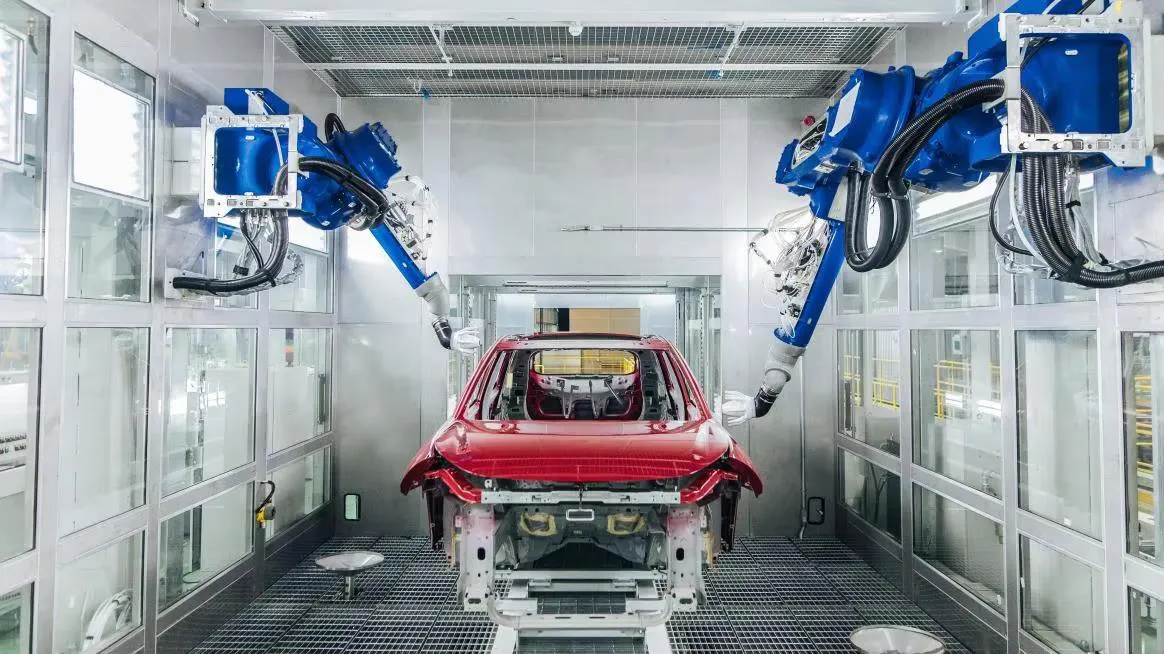
Launch Design adds value because automotive design is not only styling. It includes product definition, benchmarking, vehicle integration, body and chassis engineering, electrical architecture, powertrain matching, performance analysis, prototype validation, and production feasibility. Those capabilities help B2B buyers evaluate whether a vehicle is suitable for their target market before committing to bulk purchase or local distribution.
Launch Design Capabilities and Buyer Value
| Capability area | What it supports | Why it matters to buyers |
|---|---|---|
| Product planning | Market research, platform planning, product definition, and benchmarking. | Helps importers choose models that match local demand instead of buying only by unit price. |
| Styling and design | Sketches, renderings, CAS, clay models, A-class surfaces, and verification models. | Supports market differentiation for dealers, fleets, and ODM programs. |
| Engineering | Body, interior and exterior trim, chassis, powertrain, and electrical architecture. | Gives buyers a clearer view of specification fit, durability expectations, and model suitability. |
| Vehicle integration | Attribute management, safety, stability, CFD, NVH, and simulation work. | Reduces the risk of selecting vehicles that look attractive but fail in real operating conditions. |
| Trial production | Mule cars, prototypes, rapid parts, small-batch production, and show cars. | Useful for buyers considering pilot fleets, market testing, or customized programs. |
From Automotive Design to Export Execution
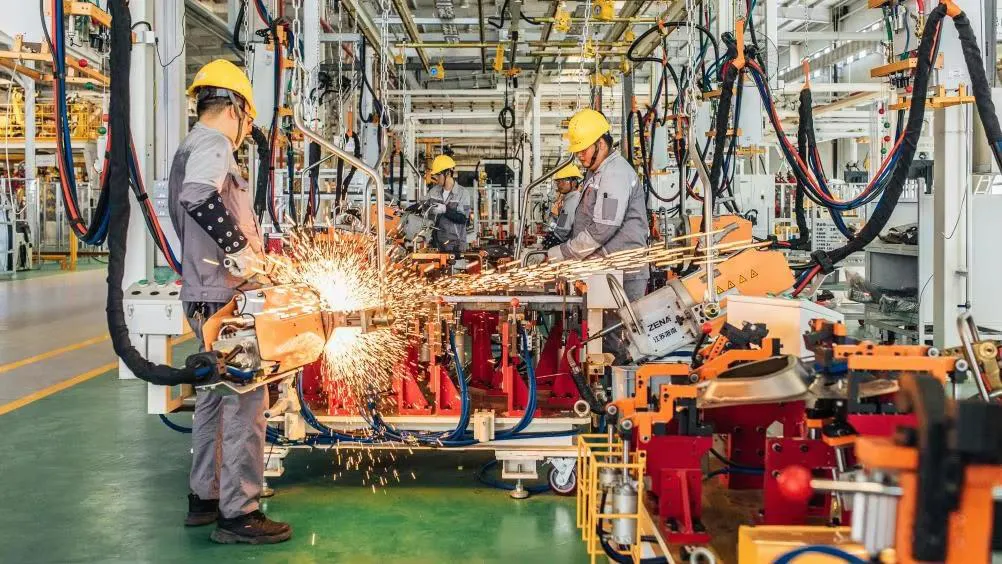
Strong design capability becomes more valuable when it is connected to export execution. Hunan Launch was established in Zhuzhou, Hunan in 2016 and is fully owned by Shanghai LAUNCH Automotive Design. Its business scope covers new car export, used car export, used construction machinery and equipment, automotive SKD/CKD/ODM, vehicle technology, and supply chain output.
That combination is useful for B2B buyers because vehicle export is a chain of decisions. The buyer needs to identify the right model, confirm configuration, inspect condition or specification, prepare export documents, arrange shipping, and plan after-sales support. Design-backed sourcing helps make those steps more technical, less reactive, and more aligned with the destination market.
How Launch Supports International Vehicle Sourcing
International vehicle buyers often come to China with a clear target: better pricing, wider model choice, faster access to new energy vehicles, or a more flexible supplier. The difficult part is turning that target into a repeatable sourcing process.
Hunan Launch gives buyers a practical starting point through vehicle search, new and used vehicle options, and multiple product categories including sedans, SUVs, pickup trucks, minivans, electric vehicles, and hybrid vehicles. When a buyer needs a model that is not listed, the company also invites buyers to submit the vehicle they are interested in so the team can source options and pricing.
The B2B Advantage
Launch Design is valuable to overseas buyers because it connects three things that are often separated: vehicle development knowledge, broad China vehicle sourcing access, and export process support. That combination helps dealers and importers move from "Which car is cheapest?" to "Which vehicle is right for this market, this customer group, and this supply plan?"
Where Launch Design Fits in ODM, SKD, and CKD Projects
For many importers, the first order may be a small batch of finished vehicles. Over time, larger distributors, fleet operators, and regional partners may explore ODM, SKD, or CKD cooperation. That is where Launch Design becomes especially relevant.
ODM projects require more than procurement. They may involve market positioning, vehicle appearance, trim selection, interior expectations, powertrain strategy, local regulation, and production feasibility. SKD and CKD projects add another layer: parts structure, assembly planning, logistics, documentation, local facility capability, and technical support. A supplier with design and engineering background can support those conversations earlier and more clearly.
Quality Considerations for Buyers
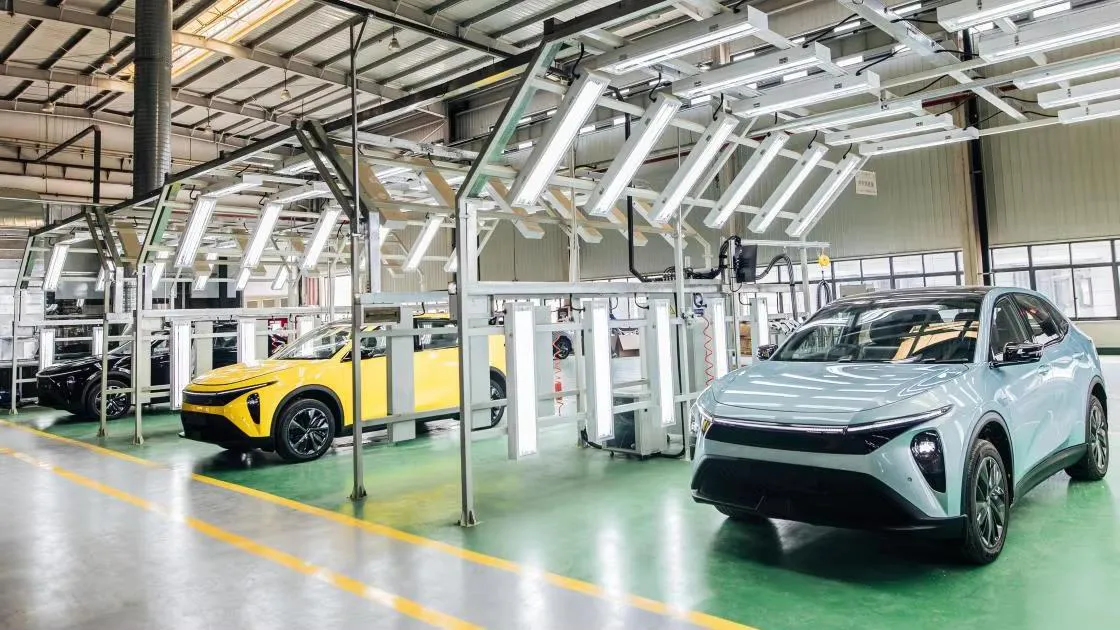
Vehicle sourcing from China can be highly efficient, but only when quality checks are built into the process. Buyers should evaluate the supplier's inspection workflow, vehicle history for used cars, battery condition for EVs, configuration accuracy, document readiness, spare parts access, and shipping plan.
For new energy vehicles, buyers should pay extra attention to battery range, charging standard, thermal management, software language, warranty terms, and local charging compatibility. For used vehicles, mileage, accident history, battery health, tire condition, interior wear, and export eligibility should be checked before payment and shipment.
Buyer Checklist Before Working with a Chinese Car Supplier
- Confirm whether the supplier can support both listed and non-listed vehicle sourcing.
- Ask how vehicle inspection is handled before export.
- Check whether the vehicle configuration matches the target market's buyer expectations.
- Review export documents, customs process, and shipping options before placing bulk orders.
- For EVs, confirm charging standard, battery condition, range version, and software language.
- For dealer programs, discuss spare parts, after-sales coordination, and repeat supply planning.
- For ODM, SKD, or CKD projects, involve technical discussion early rather than after model selection.
Why Launch Design Can Help Dealers Differentiate
In many export markets, Chinese vehicles are no longer a novelty. Dealers need sharper positioning. Some customers want affordable EVs for daily city use. Others want SUVs with strong equipment value, commercial vans for fleet work, pickups for mixed road conditions, or hybrid models where charging networks are still developing.
Launch Design helps frame vehicle selection around use case, not just brand name. That is important for dealers building a portfolio. A balanced lineup might include entry-level EVs, family SUVs, commercial vehicles, and selected used cars. With the right sourcing partner, dealers can test market demand, adjust model mix, and build a more resilient product strategy.
Internal Links for Deeper Research
Buyers who want to understand the company background can review the company profile. For export-oriented insights, the article on automotive design, manufacturing, and export excellence gives more context on the role of design and engineering in the business. Buyers comparing supplier options can also read the B2B guide to sourcing vehicles from China.
Discuss Vehicle Sourcing with Launch
If you are evaluating Chinese vehicles for dealership sales, fleet procurement, EV import, used car supply, or ODM/SKD/CKD cooperation, share your target market, preferred vehicle type, budget range, steering requirement, energy type, and import plan with Hunan Launch.
FAQ
What is Launch Design?
Launch Design refers to the automotive design and R&D capability behind Shanghai LAUNCH Automotive Design and its related vehicle development ecosystem. For B2B buyers, it represents support in product planning, styling, engineering, vehicle integration, prototype work, and market-ready vehicle development.
How does Launch Design help vehicle importers?
It helps importers evaluate vehicles from a technical and market-fit perspective. Instead of focusing only on sourcing price, buyers can consider configuration, use case, compliance needs, export readiness, and long-term supply planning.
Does Hunan Launch only sell new cars?
No. Hunan Launch works across new cars, used cars, used construction machinery and equipment, automotive SKD/CKD/ODM, vehicle technology, and supply chain output. Buyers can also ask about vehicles that are not listed on the website.
Why is design background important for EV sourcing?
EV sourcing requires attention to battery range, charging standard, thermal management, software language, safety expectations, and local user habits. A design and engineering background helps buyers ask better questions before choosing models for import or distribution.
When should buyers consider ODM, SKD, or CKD cooperation?
Buyers should consider these options when they move beyond one-time vehicle purchasing and want localized assembly, private-label adaptation, regional product positioning, or deeper technical cooperation. These projects should start with early discussion of market, regulation, assembly capability, and volume expectations.
Launch Design gives Hunan Launch a stronger role than a standard vehicle trader. For global buyers, the practical value is a more informed sourcing process: better model selection, clearer technical communication, stronger export preparation, and a supply plan that can grow from individual orders to long-term market cooperation.
Hot News

Nissan and Infiniti recall 1.2 million vehicles
November 28, 2023
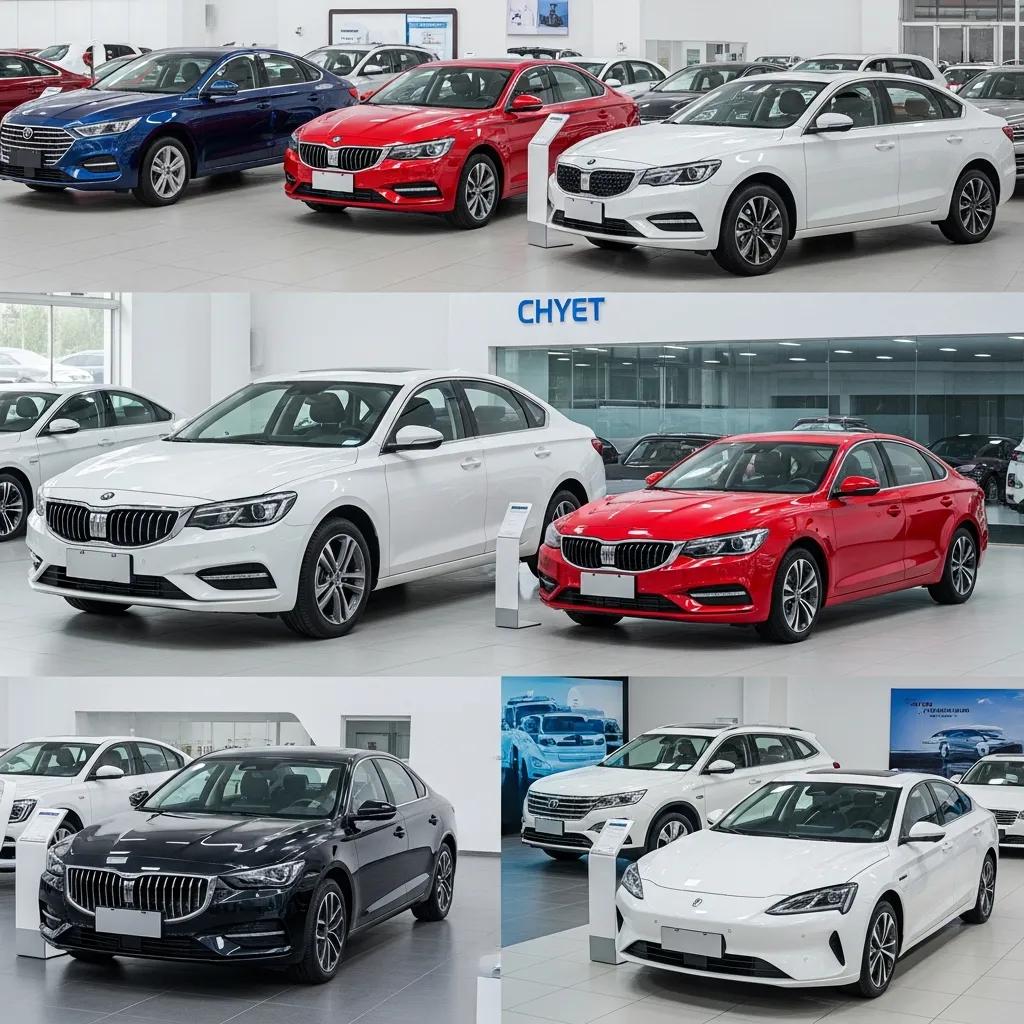
Best Wholesale Cars From China for Your Business
February 03, 2026

Discover Cheap Cars for Import From China
February 09, 2026
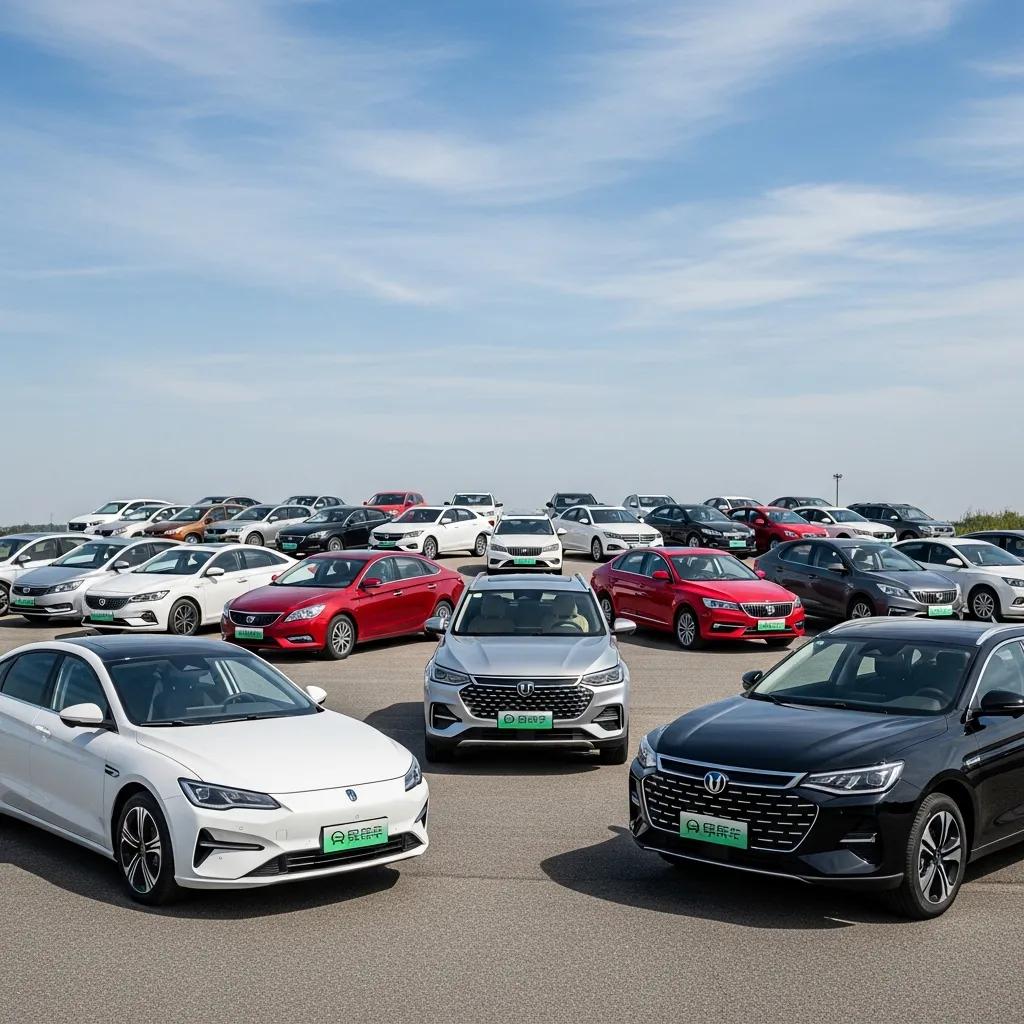
Bulk Purchase Benefits of Chinese Vehicles Explained
February 19, 2026
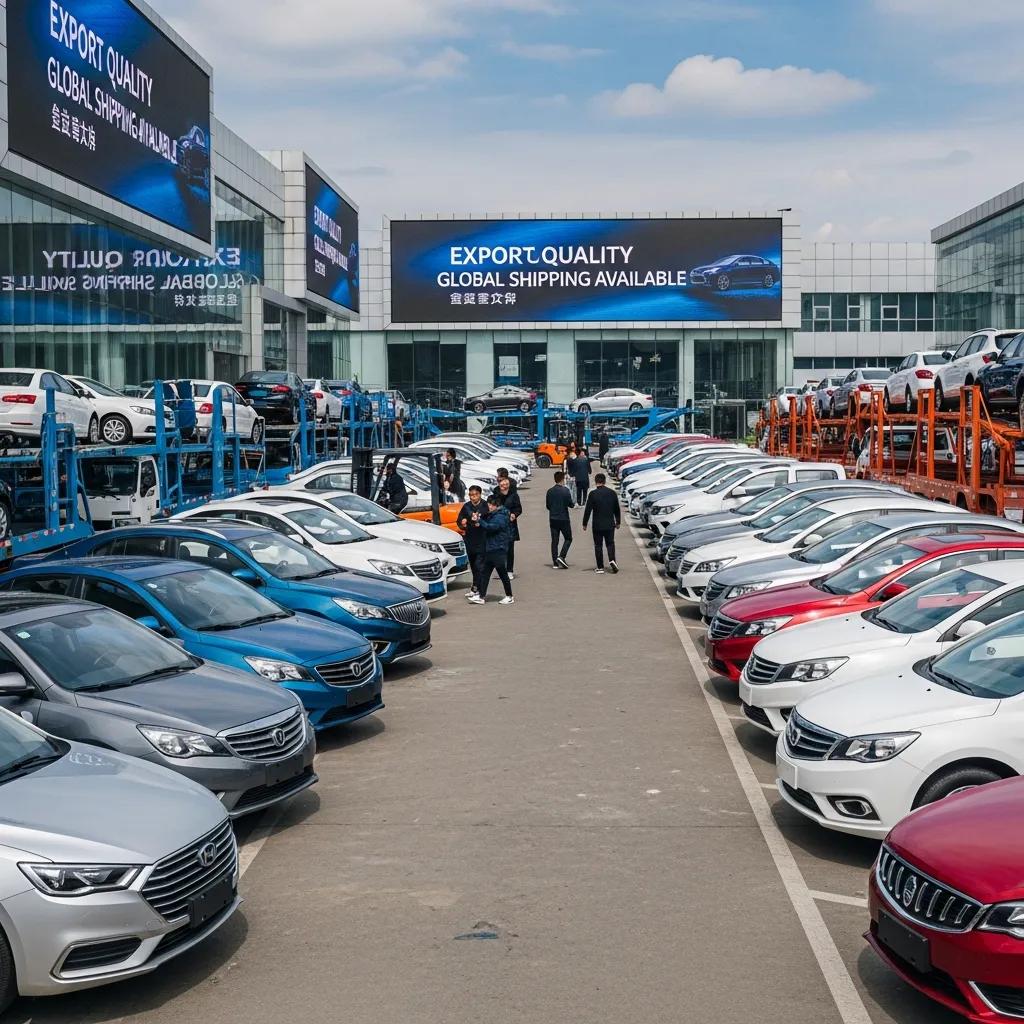
Bulk Car Suppliers in China: What You Need to Know
February 23, 2026
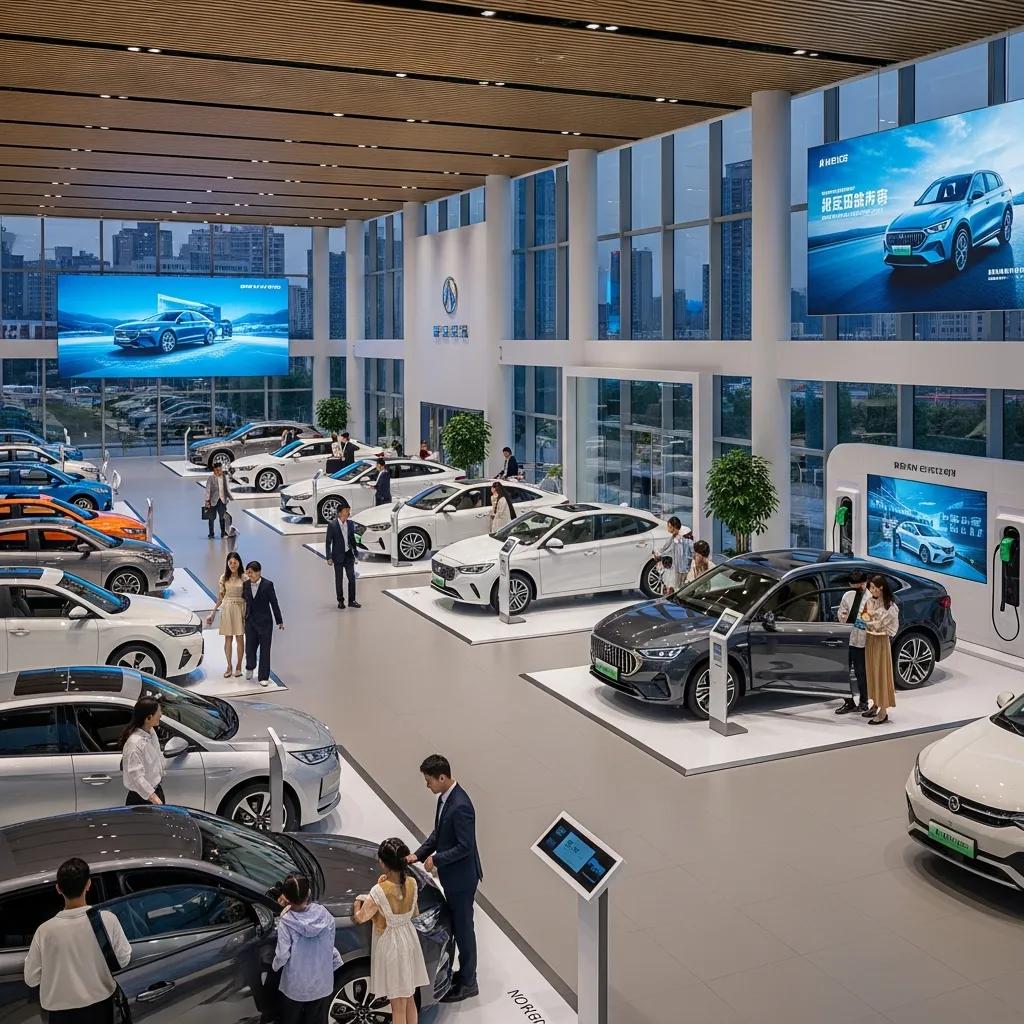
Wholesale Car Sales Growth in China's Vehicle Market
March 30, 2026
Industry information
Nissan and Infiniti recall 1.2 million vehicles
November 28, 2023

2023 BMW i7 Review: Smooth Operator, Tricky Technology
December 04, 2023
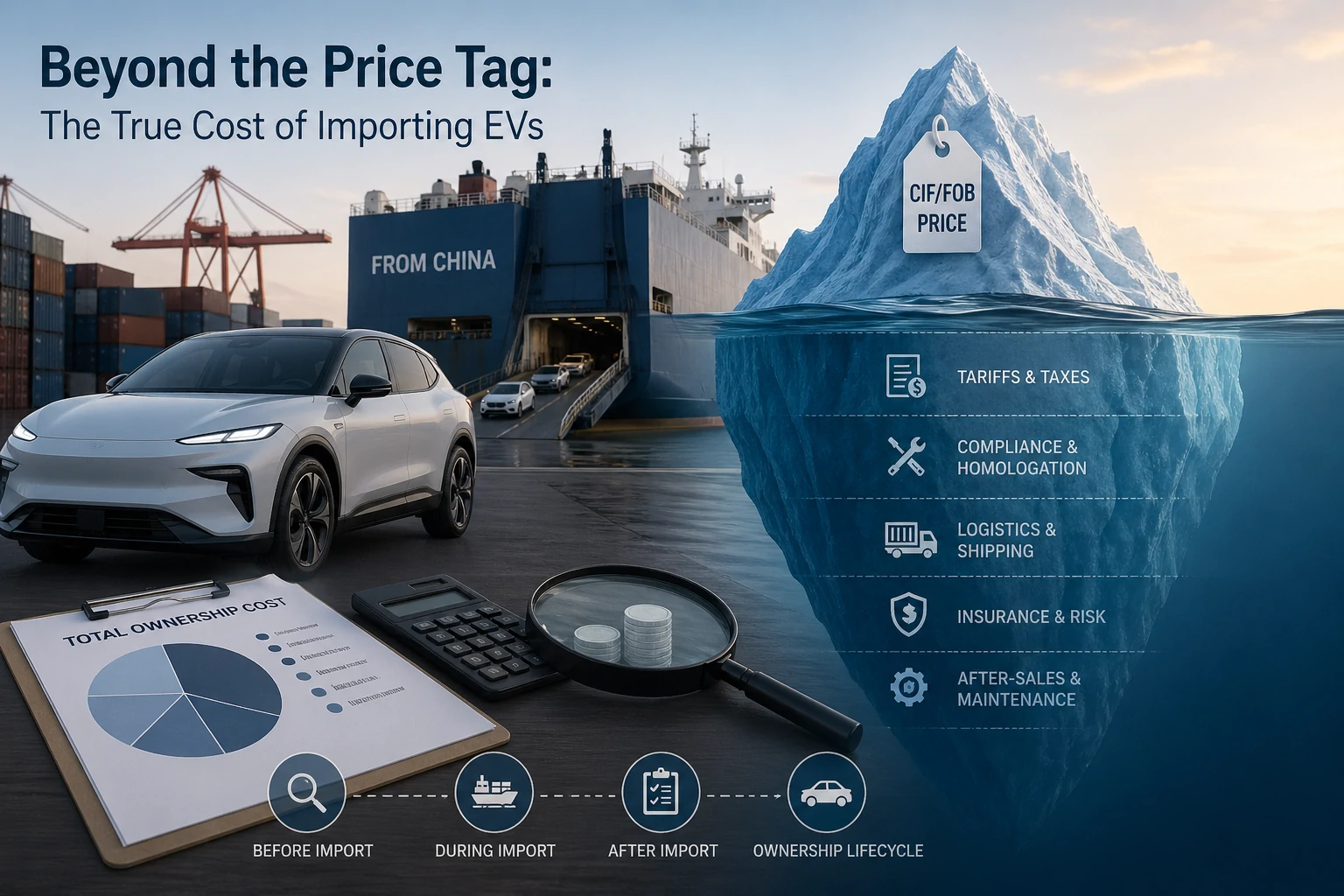
Hidden Costs of Importing EVs from China: What Buyers Often Overlook
April 30, 2026
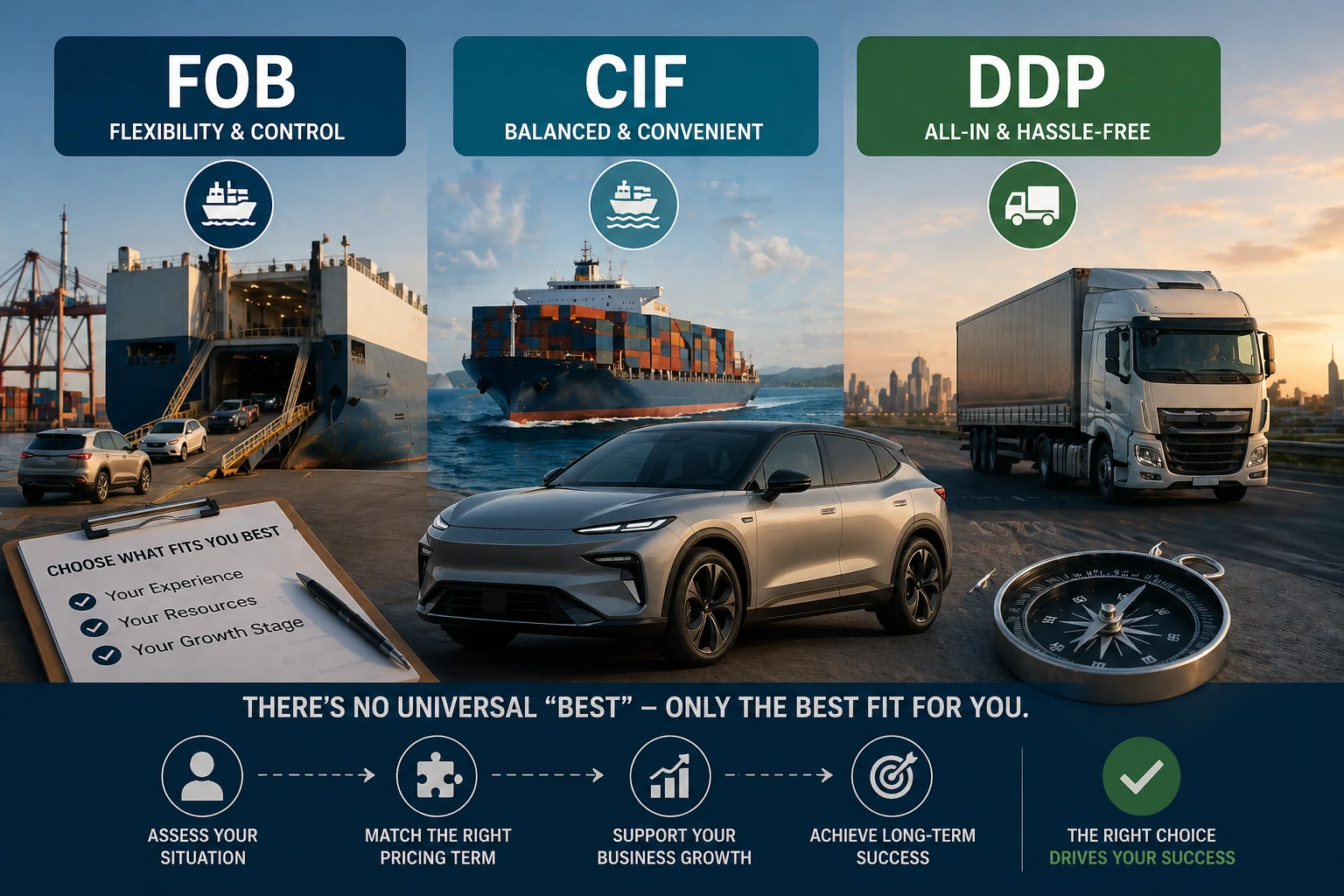
FOB vs CIF vs DDP in Car Export: Which Pricing Term Is Best for You
April 30, 2026
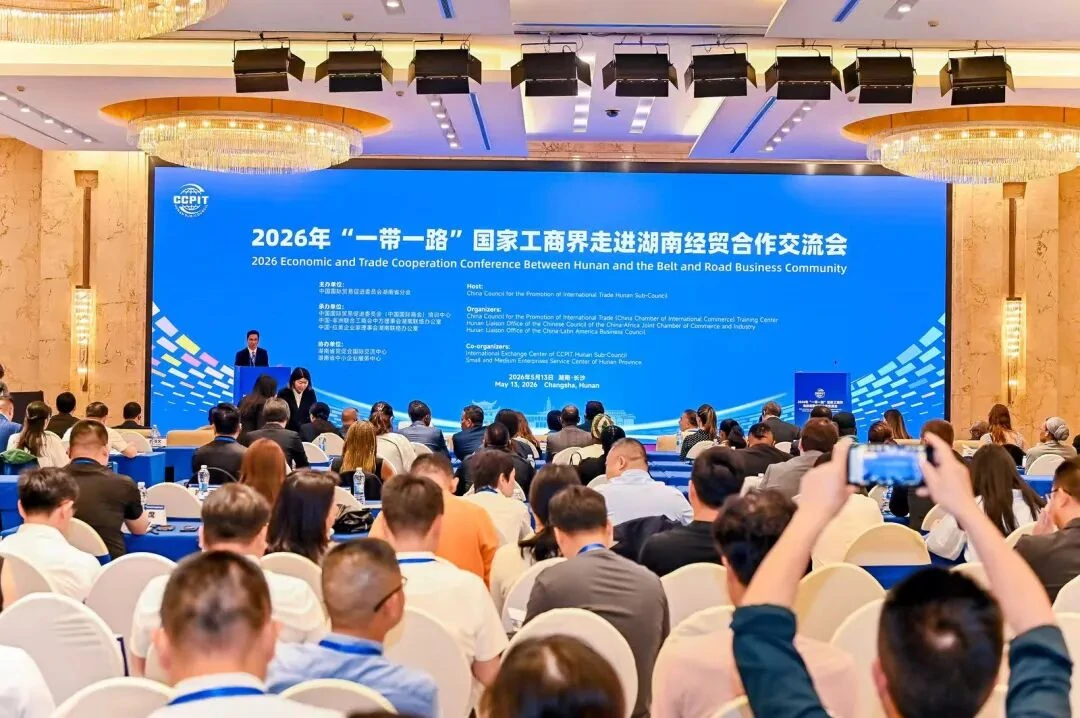
Meeting Along the Silk Road, Driving Toward the Future | Longchuang Automobile Appears at the Belt and Road Business Exchange Conference
May 15, 2026